
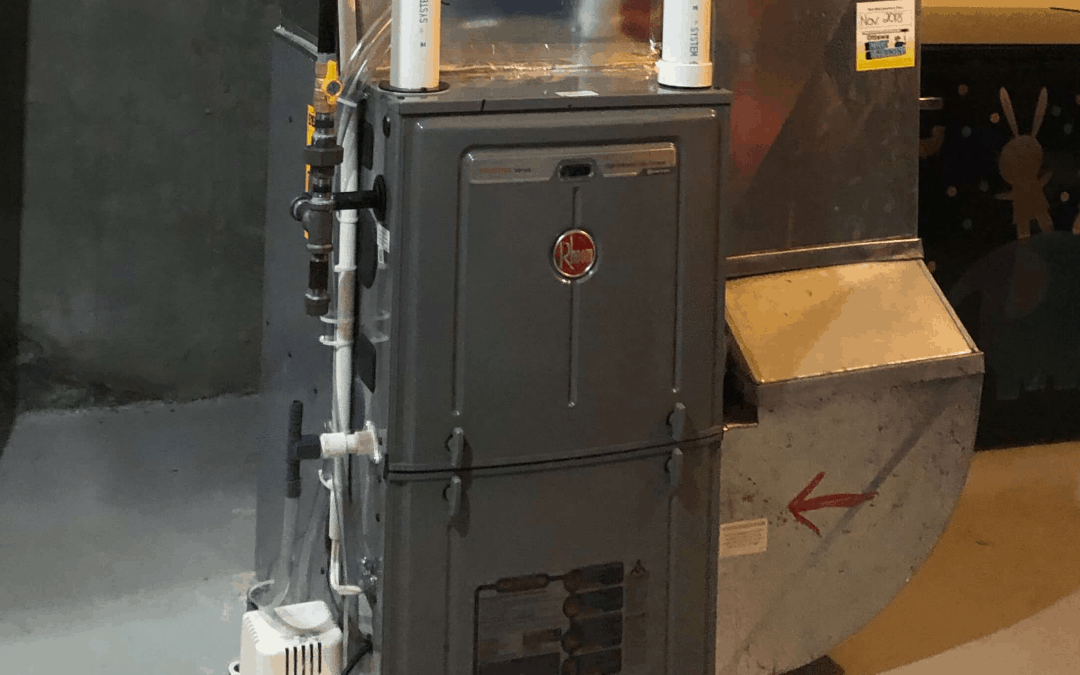
Why Early Detection Matters
Small furnace problems rarely fix themselves. That unusual noise you’re ignoring? It’s a worn bearing about to seize. The slight gas odor you dismiss? It could indicate a dangerous leak. Minor efficiency drops you attribute to aging equipment? They signal developing mechanical failures that will worsen rapidly.
Catching problems early delivers three critical benefits. First, you avoid emergency breakdowns during -30°C cold snaps when you need heat most. Second, early repairs cost 50-70% less than fixing catastrophic failures—replacing a $150 flame sensor beats replacing a $2,500 heat exchanger. Third, addressing issues promptly extends furnace life by preventing secondary damage that occurs when systems operate with malfunctions.
Professional HVAC technicians diagnose and repair furnace problems before they escalate. If you notice any of these warning signs, schedule furnace repair service promptly rather than waiting for complete failure.
Warning Sign #1: Strange or Unusual Noises
Furnaces make normal operating sounds—gentle whooshing as air moves through ducts, soft clicks when ignition systems engage, and quiet humming from blower motors. Unusual noises indicate mechanical problems requiring immediate attention.
Banging or Booming Sounds
Loud bangs when your furnace starts suggest delayed ignition. Gas accumulates in the combustion chamber before igniting, creating small explosions. This dangerous condition damages heat exchangers and creates carbon monoxide risks. Causes include dirty burners, gas pressure problems, or faulty ignition systems.
If you hear banging, shut down your furnace and call for immediate service. Operating with delayed ignition cracks heat exchangers—a repair costing thousands or requiring complete furnace replacement.
Squealing or Screeching
High-pitched squealing indicates blower motor bearing wear or belt problems. Modern furnaces use direct-drive motors without belts, so squealing in these systems points to failing bearings. Older belt-driven systems produce squealing when belts slip, fray, or misalign.
Don’t ignore squealing—seized bearings destroy blower motors, and broken belts leave you without heat. Early bearing replacement costs $200-$400. Replacing entire blower assemblies after catastrophic failure runs $600-$1,200.
Rumbling or Roaring
Excessive rumbling suggests dirty burners or improper gas-air mixture ratios. Your furnace should run quietly with steady combustion. Loud roaring indicates too much gas flow or restricted airflow, both requiring professional adjustment.
Rattling or Vibrating
Rattling noises come from loose panels, screws, or internal components. While less serious than other sounds, rattling indicates poor assembly or worn mounting hardware. Vibration can loosen gas connections, electrical wiring, and ductwork joints—potentially creating safety hazards.
Secure any obviously loose panels yourself, but if rattling persists, schedule professional inspection to identify internal problems.
Warning Sign #2: Yellow or Flickering Pilot Light Flames
For furnaces with standing pilot lights, flame color reveals combustion quality and safety. Healthy pilot flames burn steady blue with small yellow tips. Warning signs include:
Yellow or Orange Flames
Yellow or orange pilot flames indicate incomplete combustion, often caused by dirty burners or inadequate oxygen supply. Incomplete combustion produces carbon monoxide—a deadly, odorless gas. Never ignore yellow flames.
Yellow flames also suggest your furnace is burning inefficiently, wasting fuel and increasing operating costs. Professional burner cleaning and combustion adjustment restore proper operation.
Flickering or Wavering Flames
Pilot flames should remain steady. Flickering indicates drafts, ventilation problems, or dirty thermocouples. While less immediately dangerous than yellow flames, flickering suggests airflow issues that reduce efficiency and reliability.
Weak or Small Flames
Weak pilot flames struggle to maintain ignition, causing your furnace to shut down randomly. Low gas pressure, partially blocked orifices, or failing gas valves create this condition. Weak flames lead to unreliable heating and frequent service calls.
Modern furnaces use electronic ignition without pilot lights, eliminating this concern. If you have an older furnace with pilot issues, consider upgrading to a high-efficiency model with reliable electronic ignition.
Warning Sign #3: Frequent Cycling On and Off
Furnaces should run in steady cycles—turning on, heating your home to the set temperature, then shutting off until temperatures drop again. Normal cycles last 10-15 minutes several times per hour. Short cycling—running for only 2-5 minutes before shutting off—signals problems.
Common Causes of Short Cycling
- Dirty air filters: Restricted airflow triggers safety limit switches that shut down overheating systems
- Thermostat malfunctions: Faulty temperature sensors or poor thermostat placement create false readings
- Oversized furnaces: Equipment too large for your home heats spaces too quickly, cycling frequently
- Flame sensor problems: Dirty sensors incorrectly detect flame presence, shutting systems down prematurely
- Blocked vents: Restricted exhaust causes pressure switches to trigger shutdowns
Why Short Cycling Damages Furnaces
Frequent starts stress components more than continuous operation. Ignition systems, blower motors, and heat exchangers undergo thermal cycling that accelerates wear. Short cycling also wastes energy—startup sequences consume more fuel than steady operation.
If your furnace short cycles, check and replace your air filter first. If the problem persists, call for professional diagnosis. Ignoring short cycling leads to premature component failure and shortened equipment life.
Warning Sign #4: Rising Energy Bills
Unexplained increases in heating costs indicate declining furnace efficiency. Compare current bills to the same period last year, accounting for rate changes and weather differences. If you’re paying 15-25% more for similar temperatures and usage patterns, your furnace likely has problems.
Efficiency-Robbing Problems
- Dirty filters and coils: Restrict airflow, forcing longer run times
- Leaking ductwork: Wastes heated air before it reaches living spaces
- Worn heat exchangers: Reduce heat transfer efficiency
- Calibration drift: Gas valves and controls lose factory settings over time
- Blower motor wear: Aging motors consume more electricity for less airflow
Annual furnace maintenance prevents efficiency losses by cleaning components, adjusting controls, and identifying worn parts before they fail. Well-maintained furnaces maintain 95%+ of original efficiency for 10-15 years. Neglected systems lose 3-5% efficiency annually.
Warning Sign #5: Uneven Heating Throughout Your Home
Some temperature variation between rooms is normal, but dramatic differences—bedrooms at 15°C while living rooms reach 23°C—indicate distribution problems or capacity issues.
Diagnosing Uneven Heating
Start by checking obvious causes. Are vents in cold rooms open and unblocked? Are doors closed, preventing airflow? Is insulation adequate? If simple fixes don’t help, your furnace or distribution system likely has problems:
- Undersized furnace: Can’t generate enough heat for your home’s square footage
- Ductwork imbalances: Improperly designed systems deliver too much heat to some areas, too little to others
- Duct leaks: Heated air escapes before reaching distant rooms
- Failing blower: Can’t push air through entire duct system effectively
- Zoning system malfunctions: Broken dampers or controls prevent proper heat distribution
Professional ductwork inspection identifies leaks, restrictions, and design flaws. In some cases, ductwork repairs or modifications solve uneven heating more effectively than furnace replacement.
Warning Sign #6: Excessive Dust, Soot, or Rust
Furnaces shouldn’t create visible dust or soot in your home. Excessive dust accumulation around vents, black soot marks near your furnace, or rust on your heating equipment signals problems.
Dust and Indoor Air Quality
If you’re dusting furniture daily and still can’t keep up, your furnace’s filtration may be failing. Damaged filters, bypassed air returns, or leaking ductwork allow dust to circulate continuously. Poor filtration also indicates you’re breathing contaminated air—a health concern for families with allergies or asthma.
Consider upgrading to better filtration or adding whole-home air quality systems that remove dust, allergens, and pollutants.
Soot Accumulation
Black soot around your furnace, on walls, or near vents indicates incomplete combustion. This dangerous condition produces carbon monoxide while wasting fuel. Causes include dirty burners, improper air-fuel ratios, or cracked heat exchangers.
Never ignore soot. It’s visible evidence of combustion problems that threaten your family’s safety. Schedule immediate professional inspection if you notice soot accumulation.
Rust and Corrosion
Rust on your furnace cabinet, flue pipes, or vent system suggests moisture problems or failed heat exchangers. Condensation from improperly vented systems accelerates corrosion. Cracked heat exchangers leak combustion gases into air streams, carrying moisture and corrosive byproducts.
Extensive rust often indicates your furnace is nearing end of life. If your system is over 15 years old with significant corrosion, replacement typically makes more sense than repair.
Warning Sign #7: Difficulty Starting or Staying Running
Furnaces should start reliably when your thermostat calls for heat. If yours requires multiple attempts to start, or runs briefly before shutting down, you have ignition or control system problems.
Hard Starting Issues
Delayed starts—where you hear your thermostat click but your furnace takes 30-60 seconds to fire up—indicate weak ignition systems. Hot surface ignitors wear over time, glowing dimmer and taking longer to ignite gas. Flame sensors corrode, failing to detect ignition and shutting systems down as safety precautions.
These problems worsen rapidly. Today’s 30-second delay becomes tomorrow’s complete failure to start. Replace failing ignition components before you’re stuck without heat during a cold snap.
Random Shutdowns
Furnaces that start normally but shut off randomly suffer from sensor failures, limit switch problems, or electrical issues. Safety controls designed to prevent overheating or dangerous conditions can malfunction, shutting down properly functioning systems.
Intermittent problems frustrate homeowners and technicians alike, but systematic diagnosis identifies causes. Don’t reset your furnace repeatedly hoping the problem disappears—you risk damaging other components.
Warning Sign #8: Persistent Dry Air or Humidity Problems
All forced-air heating dries indoor air somewhat, but excessive dryness—persistent static shocks, cracked lips, nosebleeds, and furniture damage—suggests your furnace is running too frequently or at improper settings.
Furnaces operating with dirty filters or restricted airflow run longer cycles to achieve set temperatures, over-drying your home. Oversized furnaces short cycle, creating temperature swings and inconsistent humidity.
Installing a central humidifier addresses dryness while improving comfort. You can lower thermostat settings when proper humidity makes air feel warmer, saving energy while protecting your home and health.
Warning Sign #9: Strange Odors When Furnace Runs
Unusual smells from your heating system indicate various problems requiring immediate attention.
Rotten Egg or Sulfur Smell
Natural gas companies add mercaptan—a chemical creating distinctive rotten egg odor—so leaks are detectable. If you smell gas near your furnace, leave your home immediately, don’t touch electrical switches or create sparks, and call Enbridge Gas Emergency at 1-866-763-5427 from outside. Once safe, contact Gas Man Ottawa at (613) 880-3888 for emergency service.
Burning Dust or Mustiness
Light burning dust smell during the first few furnace starts each fall is normal—accumulated dust on heat exchangers burns off. If the smell persists beyond the first few hours or returns throughout winter, you have excessive dust infiltration requiring filter replacement or ductwork sealing.
Burning Plastic or Electrical Odors
Acrid burning plastic smell indicates electrical problems—melting wire insulation, overheating motors, or failing control boards. Shut down your furnace immediately and call for service. Electrical fires in heating systems cause devastating home damage.
Metallic or Chemical Smells
Unusual chemical odors suggest heat exchanger cracks leaking combustion gases into your air supply. This dangerous condition requires immediate professional evaluation and often necessitates furnace replacement.
Warning Sign #10: Age Over 15 Years with Increasing Repairs
Furnace age alone isn’t a definitive replacement indicator—well-maintained units last 20+ years. However, age combined with increasing repair frequency signals approaching end of life.
When Age Matters
If your furnace is 15+ years old and you’re calling for repairs annually, calculate total costs carefully. Replacing a $300 part this year, a $600 component next year, and facing a $1,200 repair the following season equals $2,100 invested in aging equipment. New high-efficiency furnaces cost $3,500-$6,500 installed—providing 15-20 years of reliable service with 30-40% lower operating costs.
The 50% rule offers guidance: if repair costs exceed 50% of replacement cost, and your furnace is over 15 years old, replacement usually makes better financial sense.
Efficiency Considerations
Older furnaces operate at 60-80% AFUE efficiency compared to modern 95-98% AFUE systems. For a typical Ottawa home spending $1,200 annually on heating, upgrading from 80% to 96% efficiency saves $250 per year. Over a 15-year lifespan, that’s $3,750 in fuel savings—often covering the cost difference between repair and replacement.
What to Do When You Notice Warning Signs
Recognizing problems is only valuable if you take action. Follow this priority system:
Immediate Action Required (Safety Hazards)
- Gas odors—evacuate and call emergency services
- Yellow pilot flames—shut down furnace and call for service
- Excessive soot—indicates carbon monoxide risk
- Burning electrical smells—shut down and call immediately
Schedule Service Within 24-48 Hours
- Loud banging or booming sounds
- Furnace won’t stay running
- No heat production despite furnace running
- Visible rust or corrosion on heat exchanger
Schedule Service Within 1-2 Weeks
- Unusual noises (squealing, rattling, rumbling)
- Short cycling problems
- Uneven heating throughout home
- Rising energy bills without explanation
Address During Next Maintenance Visit
- Minor efficiency concerns
- Slight increases in dust
- Humidity control questions
Don’t delay addressing warning signs hoping they’ll resolve themselves. Furnace problems always worsen, never improve. Early intervention prevents emergency breakdowns and saves money.
The Value of Preventive Maintenance
Most warning signs develop gradually. Annual professional maintenance catches problems in early stages before they cause breakdowns or expensive damage.
Comprehensive furnace tune-ups include:
- Complete visual inspection of all components
- Cleaning burners and heat exchangers
- Testing ignition systems and safety controls
- Measuring combustion efficiency and gas pressure
- Inspecting heat exchangers for cracks (carbon monoxide hazard)
- Lubricating motors and checking bearings
- Testing blower operation and airflow
- Verifying thermostat accuracy and calibration
- Checking all electrical connections
- Inspecting venting and exhaust systems
Annual maintenance costs $150-$250 but prevents 90% of furnace breakdowns. It’s the single best investment in home comfort and safety. Schedule your annual furnace tune-up every fall before heating season begins.
Service Area Coverage
Gas Man Ottawa provides expert furnace repair and maintenance throughout the Ottawa region:
- Orleans furnace service
- Kanata furnace repair
- Nepean HVAC services
- Manotick heating service
- Barrhaven, Gloucester, Vanier, and surrounding communities
Our TSSA-licensed gas technicians diagnose problems accurately, provide honest repair recommendations, and deliver quality workmanship guaranteed to last.
Frequently Asked Questions
How do I know if I need furnace repair or replacement?
Consider repair if your furnace is under 12 years old, repairs cost less than $500, and you haven’t had multiple recent service calls. Consider replacement if your furnace is over 15 years old, repairs exceed $1,000, you’re calling for service annually, or efficiency has declined significantly. Professional technicians provide honest assessments comparing repair versus replacement costs.
Can I safely ignore minor furnace noises?
No. “Minor” noises indicate developing problems that worsen rapidly. A slight squeal today becomes a seized bearing tomorrow, leaving you without heat. Address unusual sounds promptly with professional inspection—early repairs cost far less than emergency replacements.
What’s the most common cause of furnace breakdowns?
Dirty air filters cause the majority of furnace failures. Restricted airflow triggers limit switches, damages heat exchangers, and stresses blower motors. Check filters monthly during heating season and replace when they appear gray or clogged. This simple maintenance prevents most common problems.
How much does furnace repair typically cost in Ottawa?
Common repairs range from $150-$800 depending on the problem. Flame sensor cleaning costs $150-$250, ignitor replacement runs $200-$400, blower motor replacement costs $500-$800, and gas valve replacement runs $350-$600. Diagnostic service calls typically cost $100-$150, often applied to repair costs if you proceed with work.
Should I repair a 20-year-old furnace?
Probably not, unless the repair is very minor (under $200) and you’re planning to replace the furnace within 1-2 years anyway. A 20-year-old furnace is at or beyond typical lifespan. Investing in significant repairs doesn’t make financial sense when new high-efficiency models cost $3,500-$6,500 and deliver 15-20 years of reliable, efficient service.
Can I diagnose furnace problems myself?
You can safely check filters, verify thermostat settings, inspect breakers, and ensure vents are unblocked. However, gas furnace diagnosis requires specialized training, tools, and licensing. DIY gas appliance work is illegal in Ontario and extremely dangerous—risking fire, explosion, and carbon monoxide poisoning. Always hire licensed TSSA gas technicians for furnace repairs.
How often should I schedule professional furnace maintenance?
Annual maintenance every fall before heating season provides optimal performance, safety, and reliability. If you have a dual-fuel system with both furnace and heat pump, schedule both systems annually. Regular maintenance prevents 90% of breakdowns and maintains peak efficiency.
What does a yellow pilot light really mean?
Yellow pilot flames indicate incomplete combustion caused by dirty burners, inadequate oxygen, or improper gas pressure. Incomplete combustion produces deadly carbon monoxide gas. Never ignore yellow flames—shut down your furnace and call for immediate professional service. Yellow flames are safety hazards requiring urgent attention.
Don’t Wait for Complete Failure
Your furnace communicates through warning signs long before catastrophic failure. Unusual noises, strange odors, performance changes, and efficiency declines all indicate developing problems. Recognizing these signals and acting promptly prevents emergency breakdowns, reduces repair costs, and extends equipment life.
Ottawa winters are unforgiving. You can’t afford mid-season furnace failures when temperatures plummet to -30°C. Professional maintenance and timely repairs keep your heating system running reliably all winter long.
Notice any warning signs in your furnace? Gas Man Ottawa’s licensed TSSA technicians provide expert diagnosis, honest repair recommendations, and quality workmanship guaranteed to last. We serve Ottawa, Orleans, Kanata, Barrhaven, Nepean, and surrounding areas with professional furnace repair and maintenance.
Call (613) 880-3888 or schedule service online today. Don’t wait until your furnace fails—address problems now and avoid costly emergency repairs later.